

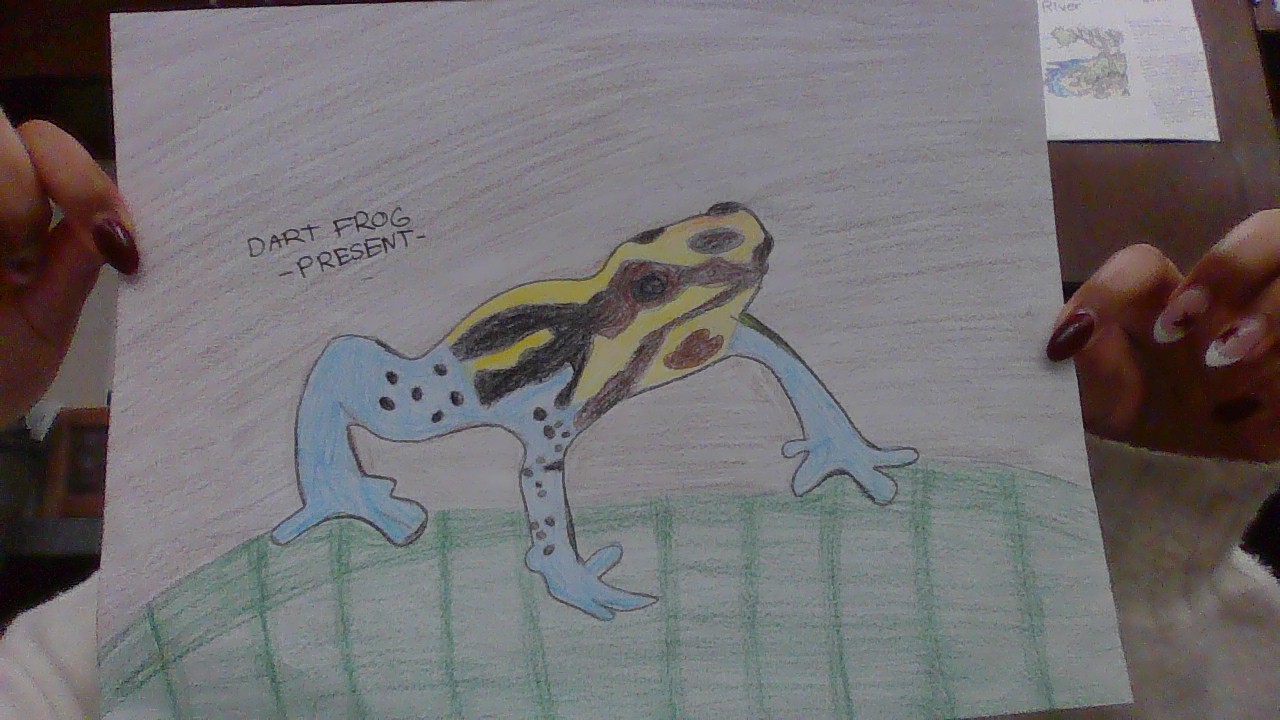
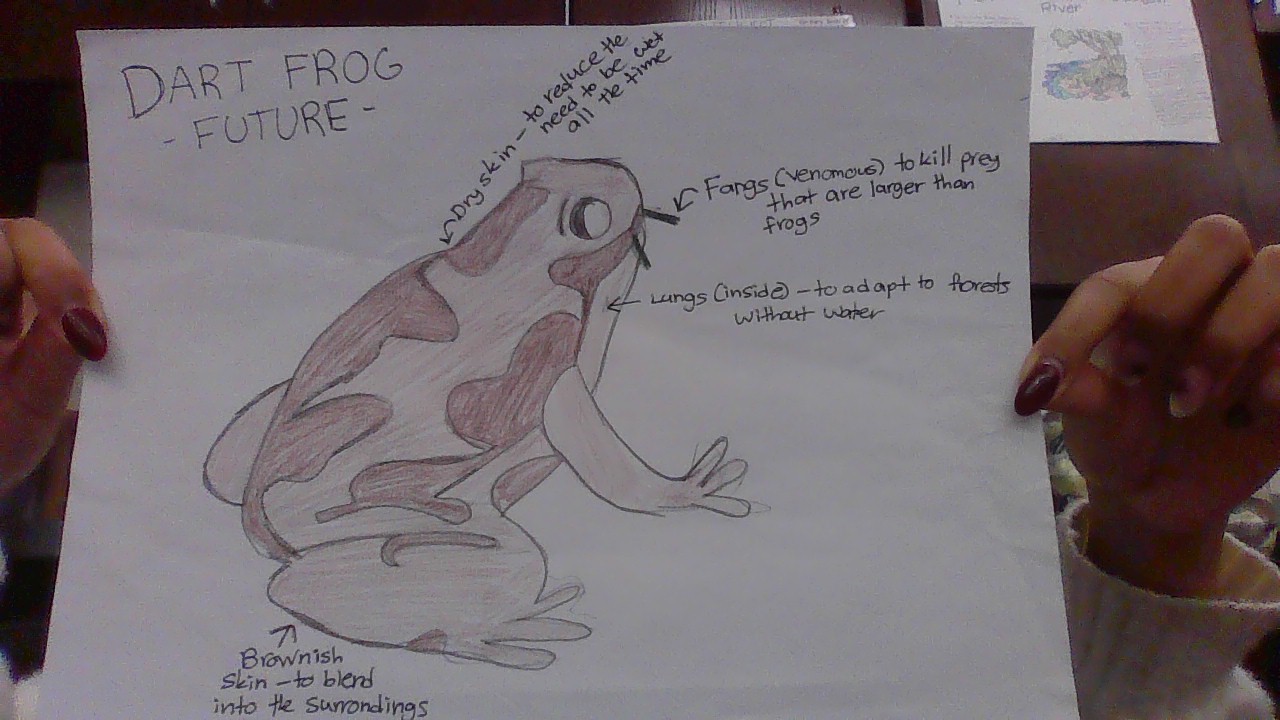
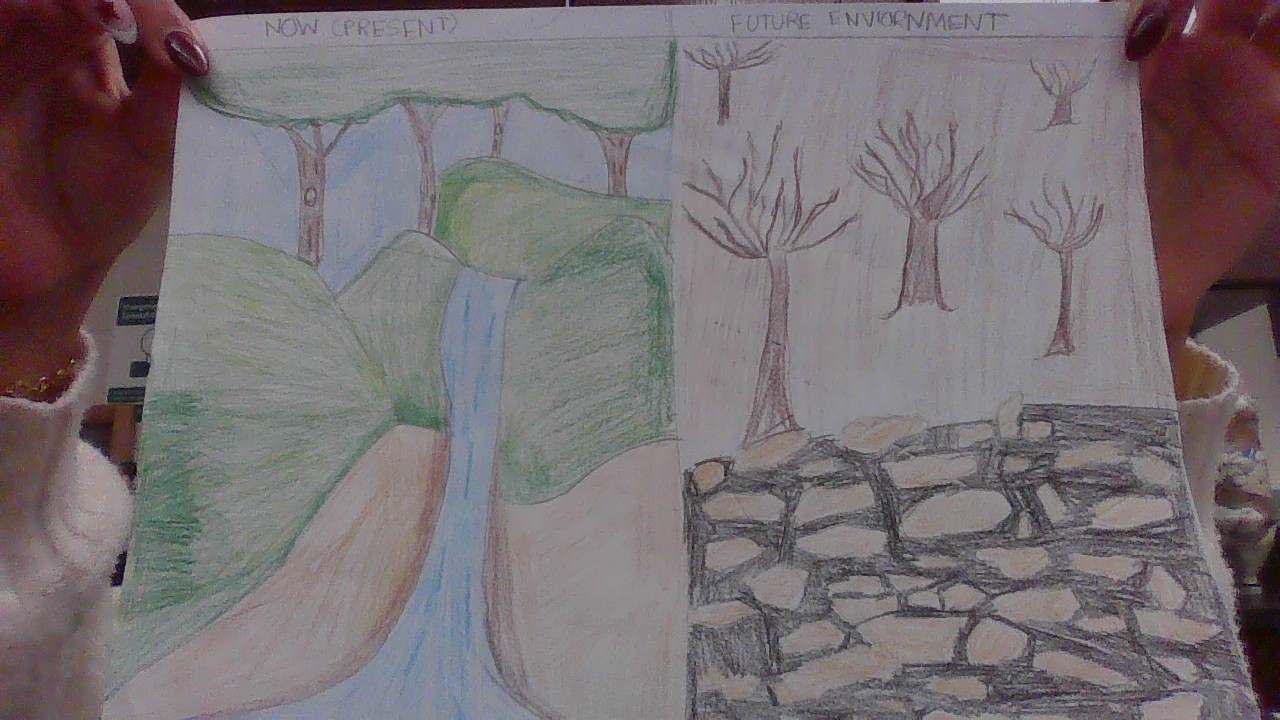
Dart frogs are known for their bright coloration and toxic skin and they use these adaptations to deter predators and thrive in the humid rainforests of Central and South America. Their toxicity is derived from a diet of specific insects; their vibrant colors serve as a warning to potential threats. However, with climate change causing rising temperatures and reduced rainfall, the rainforests are expected to become drier and less suitable for the insects dart frogs rely on. This will likely decrease the availability of their toxic diet, making their current defense mechanism less effective. To survive, dart frogs may need to adapt by developing new camouflage patterns to blend into a drier, leaf-littered environment, rather than relying on warning colors. Additionally, they may evolve to tolerate a broader range of prey, enabling them to maintain some level of toxicity or develop alternative defenses to survive in a changing rainforest ecosystem.
Contact us
Thank you for your interest in contacting Future Engineers. We look forward to connecting with you!
General Inquiries
support@futureengineers.orgSponsorship Inquiries
sponsor@futureengineers.org