

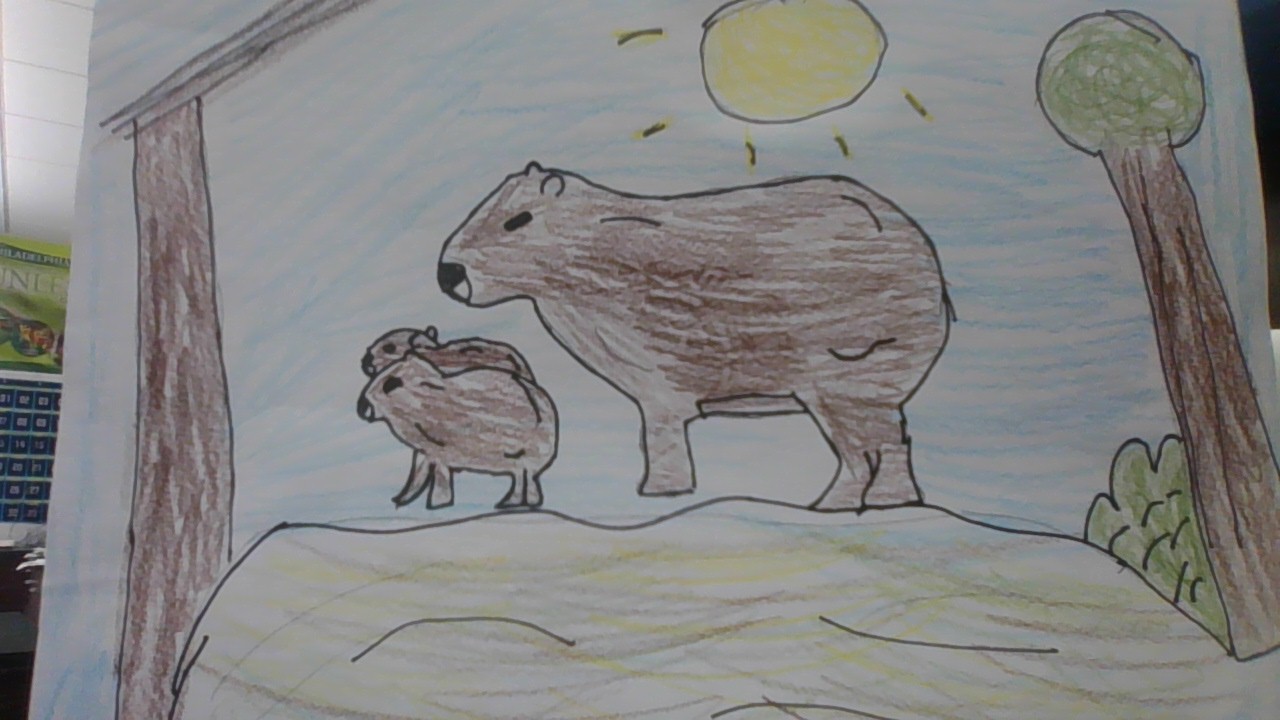
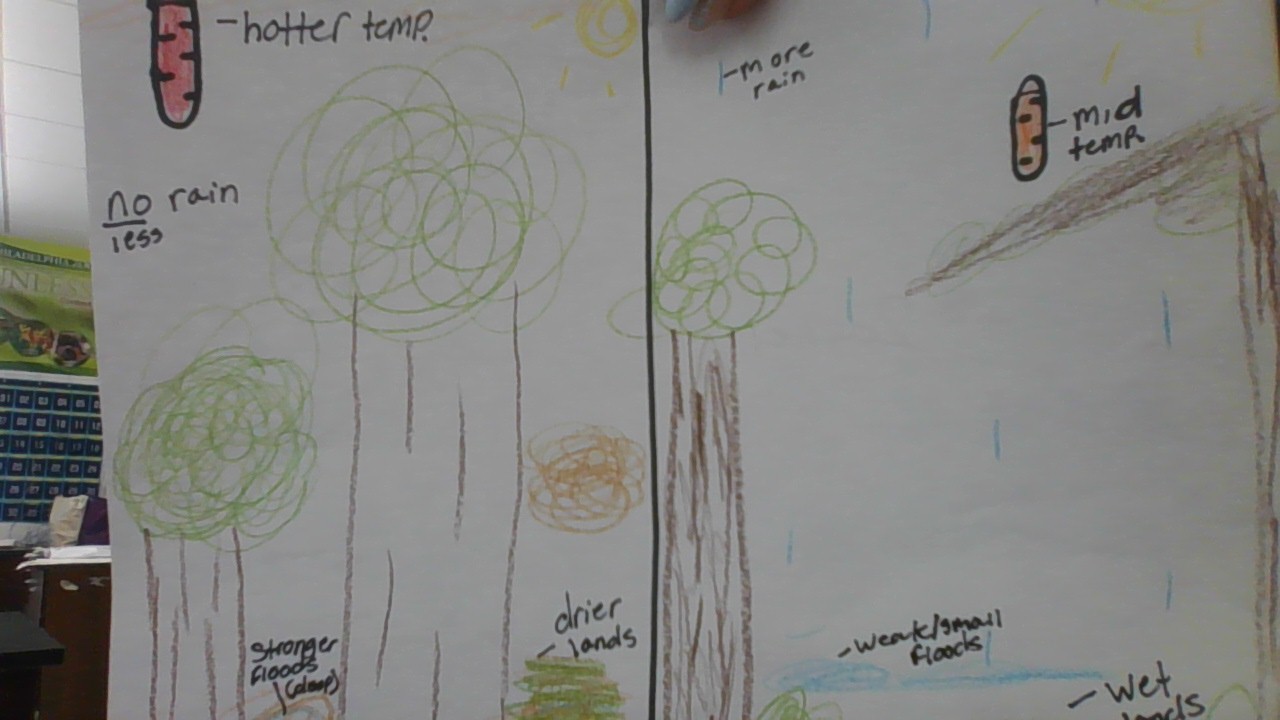
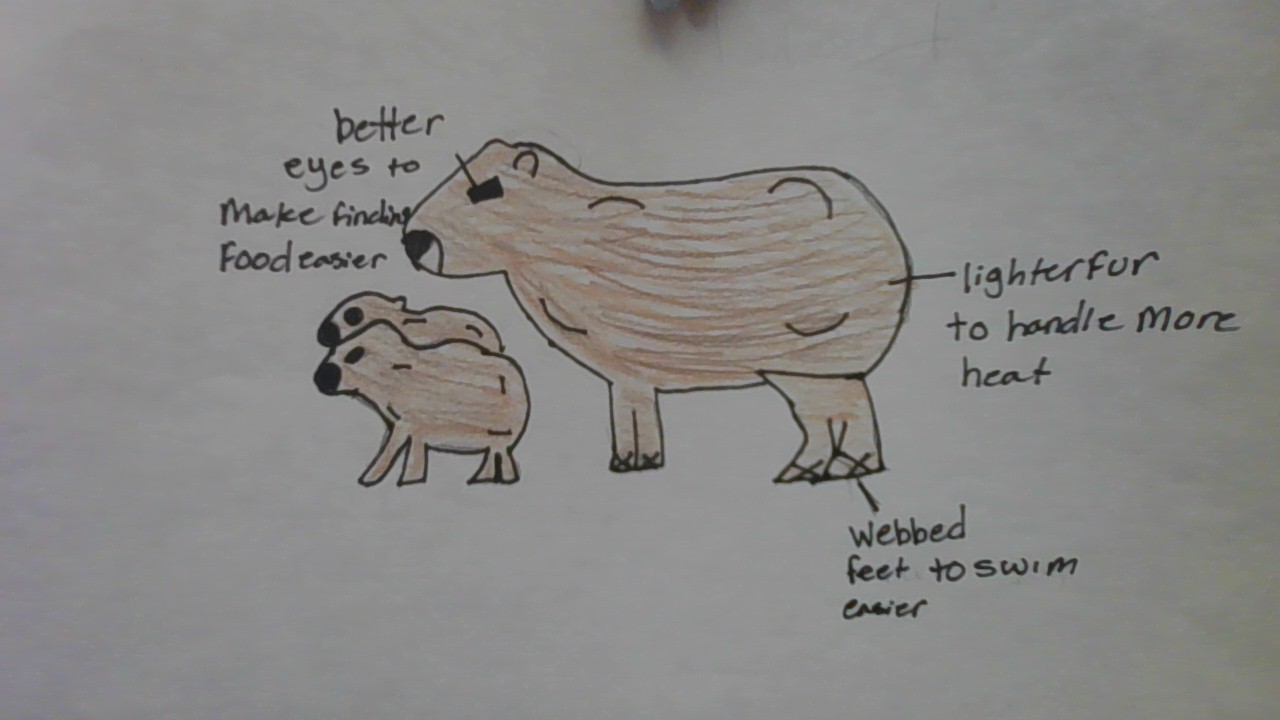
Capybaras have several adaptations that help them survive today, including webbed feet that let them swim through rivers to escape predators, thick, coarse fur that protects their skin in warm, wet environments, and group living that helps them spot danger quickly. However, these adaptations may not be enough as their rainforest and wetland habitats continue to change. Climate change is expected to bring hotter temperatures, longer dry seasons, and stronger floods to the regions where capybaras live. This means some water sources may dry up, while others may become deeper, faster, and more dangerous after storms. To survive these shifting conditions, capybaras may need to adapt by developing lighter fur to handle increased heat, improving their ability to find food in drier areas, strengthening their swimming skills to manage rougher waters, and gaining better eyesight to make locating food easier. These future changes could help them survive environmental challenges ahead.
Contact us
Thank you for your interest in contacting Future Engineers. We look forward to connecting with you!
General Inquiries
support@futureengineers.orgSponsorship Inquiries
sponsor@futureengineers.org