

Adaptation of the future Marmoset
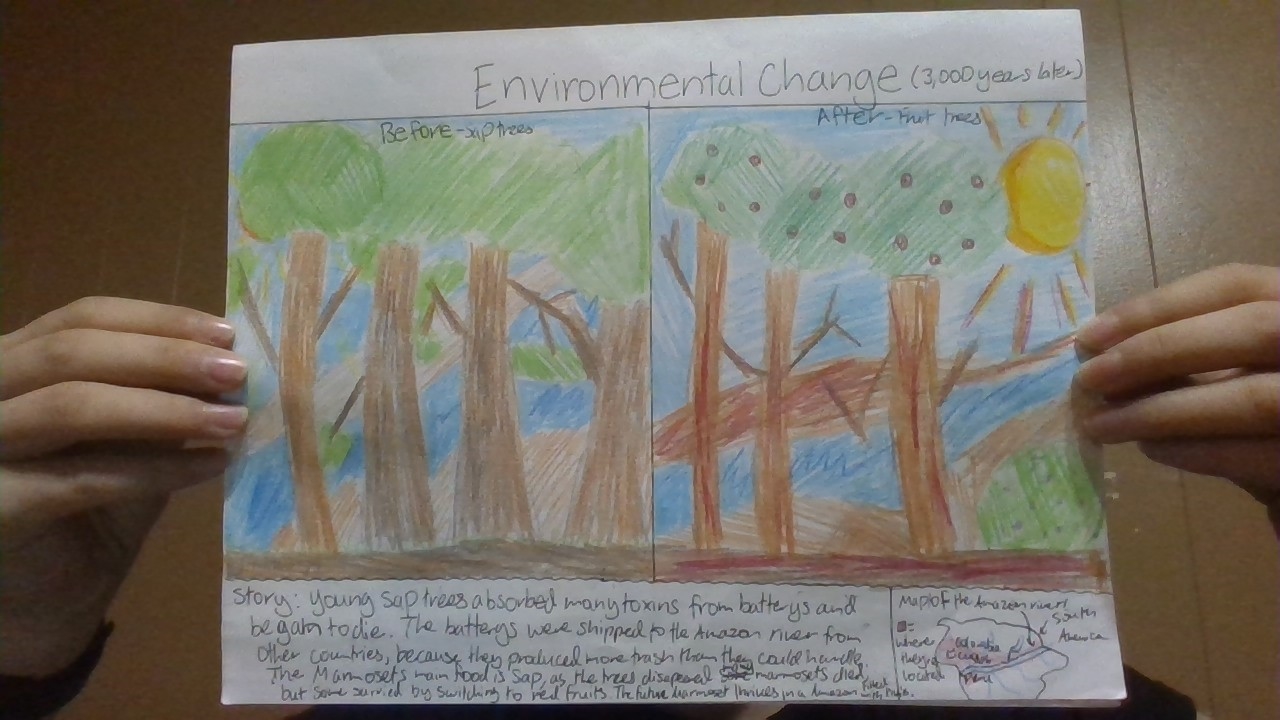
3,000 years from now, the Amazon rainforest will change in unexpected ways. Around the world, countries produced more trash than they could manage, and it was shipped to poorer countries along the Amazon River. Batteries and other wastes leaked acid, lead, mercury, and nickel into the soil and water. Young sap trees absorbed these toxins and began to die, while most fruit trees survived.
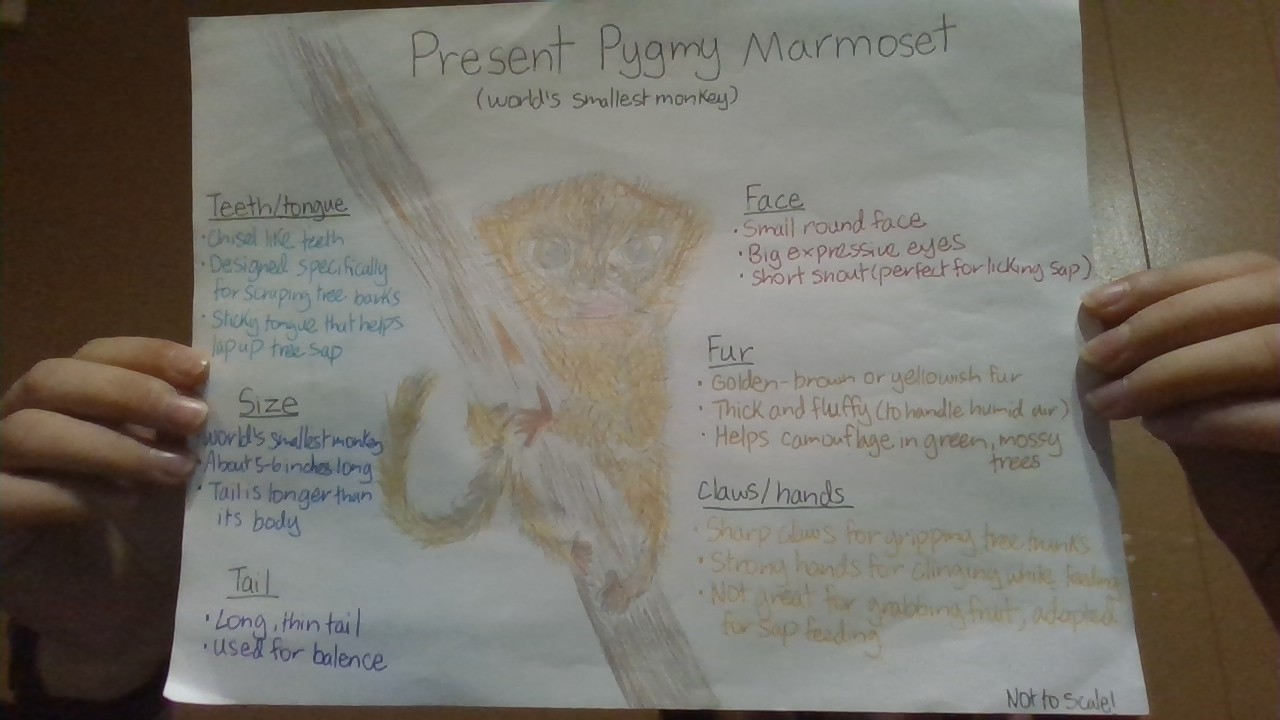
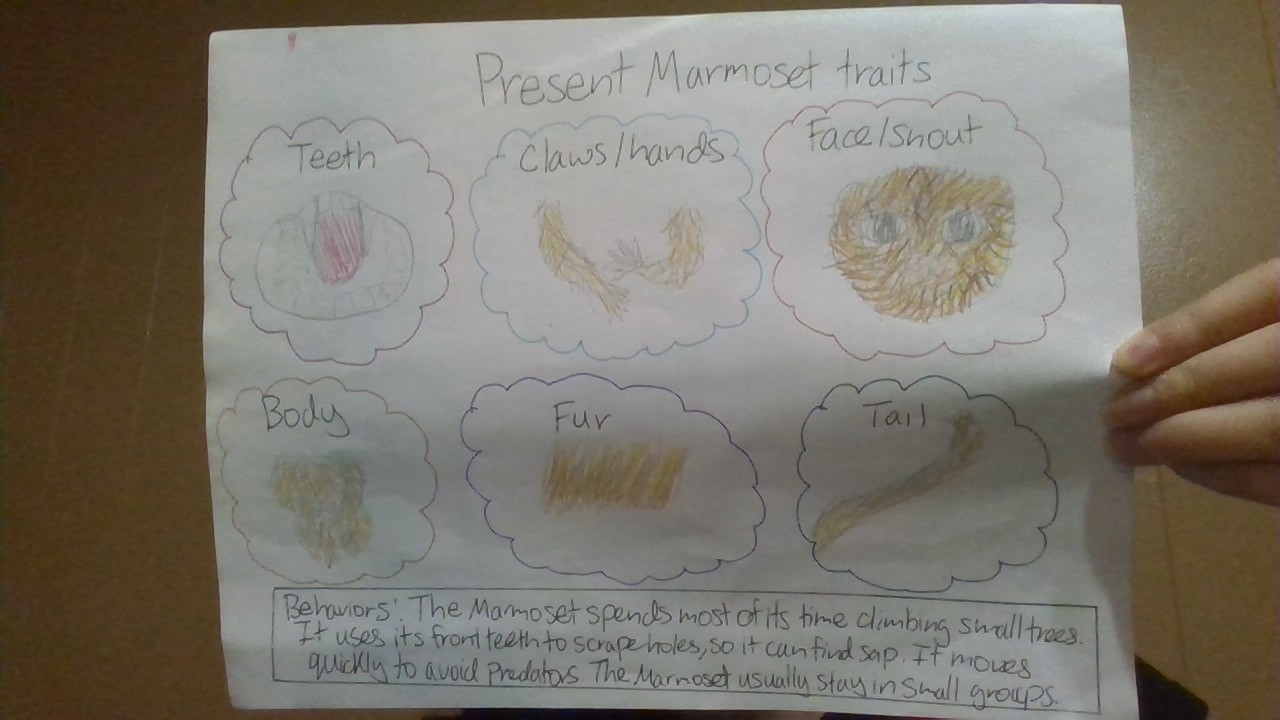
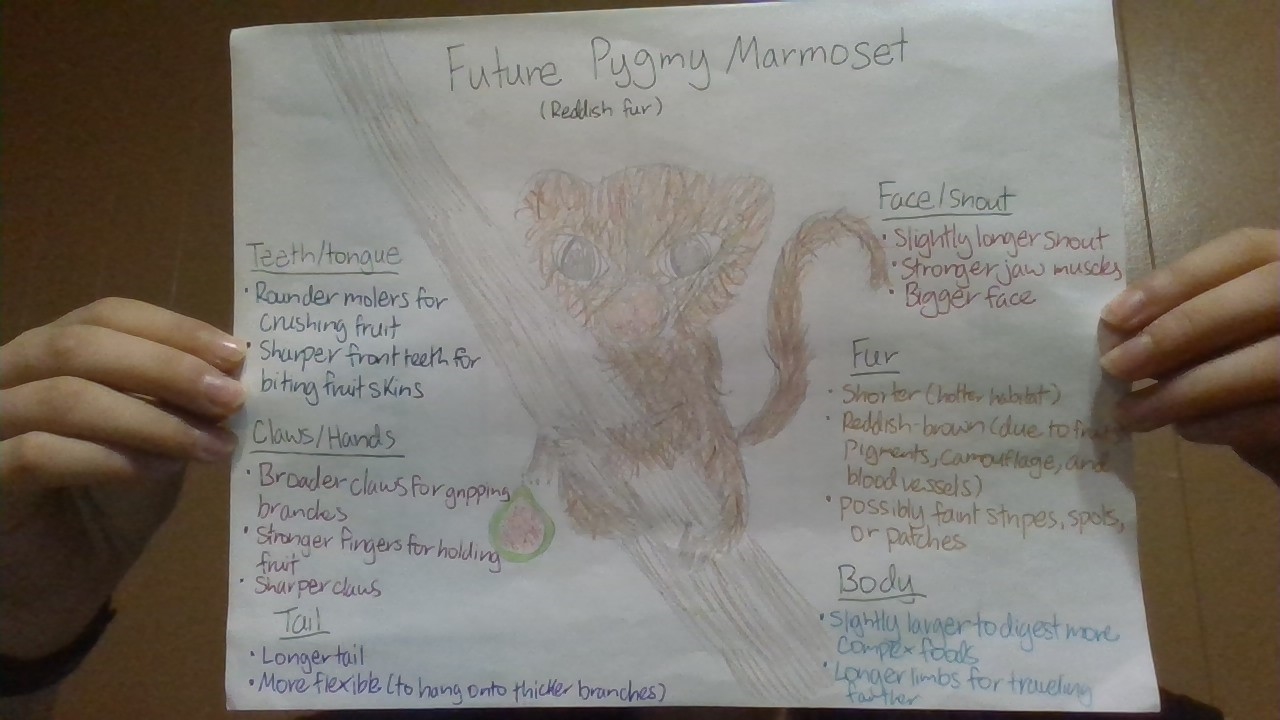
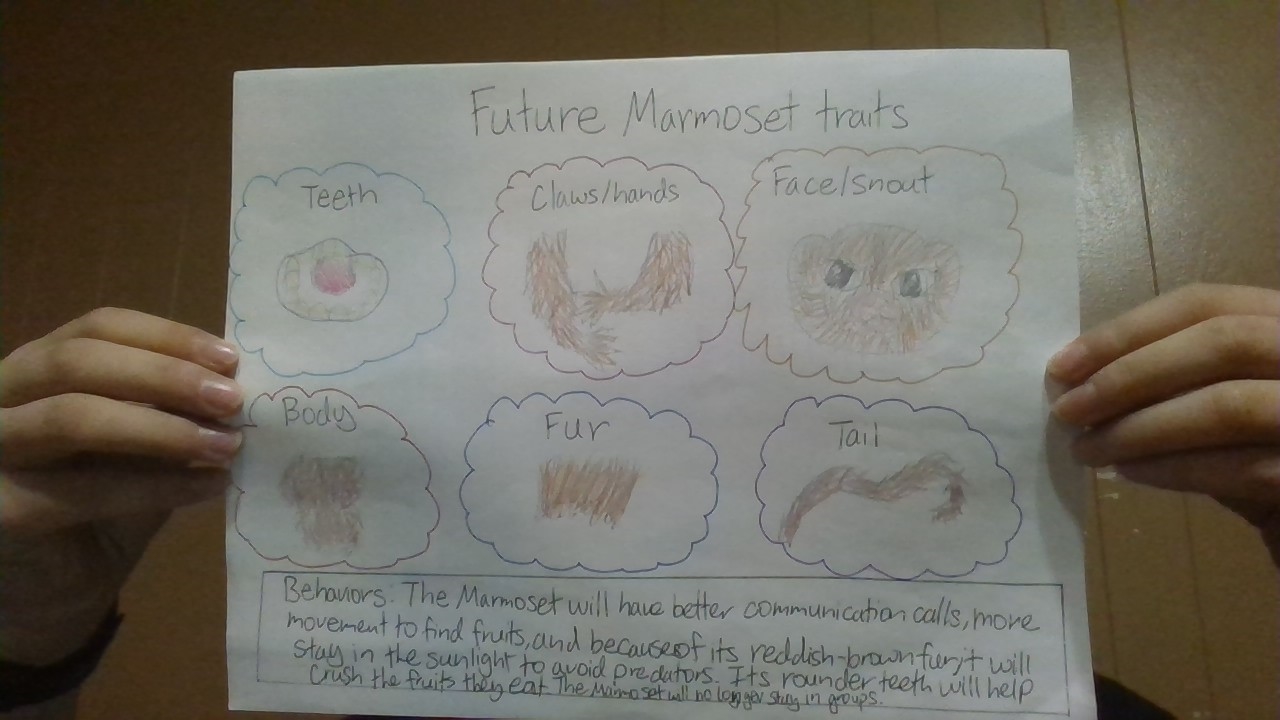
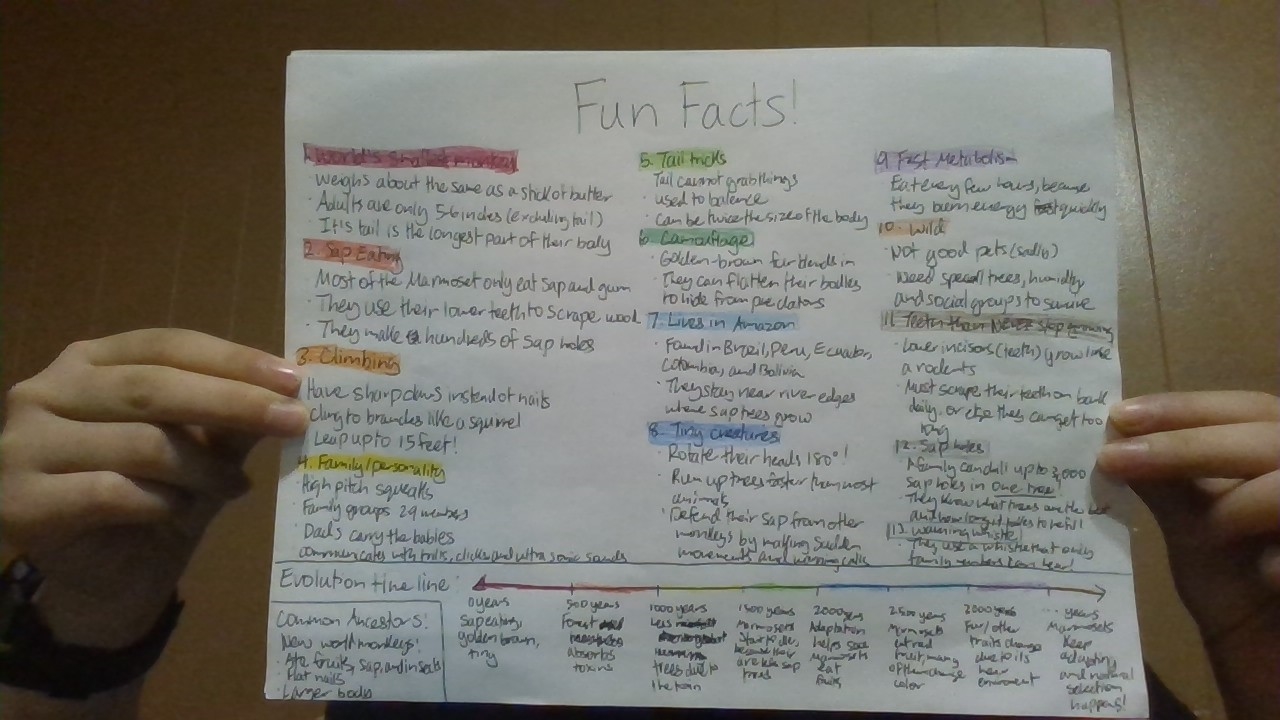
Pygmy Marmosets (the world's smallest monkey) depended on sap trees for food, scraping barks with their sharp teeth. As the sap trees disappeared, many marmosets died, but a few survived by switching to red fruits. Natural selection changed the Marmoset's traits. Their teeth became rounder for crushing fruits, their claws thickened for gripping branches, and pigments from fruits turned their fur reddish-brown. Today, the future marmoset thrives in a warmer, sunlit Amazon filled with fruit trees instead of sap trees.
Contact us
Thank you for your interest in contacting Future Engineers. We look forward to connecting with you!
General Inquiries
support@futureengineers.orgSponsorship Inquiries
sponsor@futureengineers.org